Step flashing, counter flashing, valley flashing, chimney and skylight sealing, drip edge, and roof penetration waterproofing. Source-based flashing repair — not surface-only caulking — for Fort Lauderdale properties.
Each flashing type serves a specific waterproofing function at different roof locations. Failure at any of these points can create persistent leak problems.
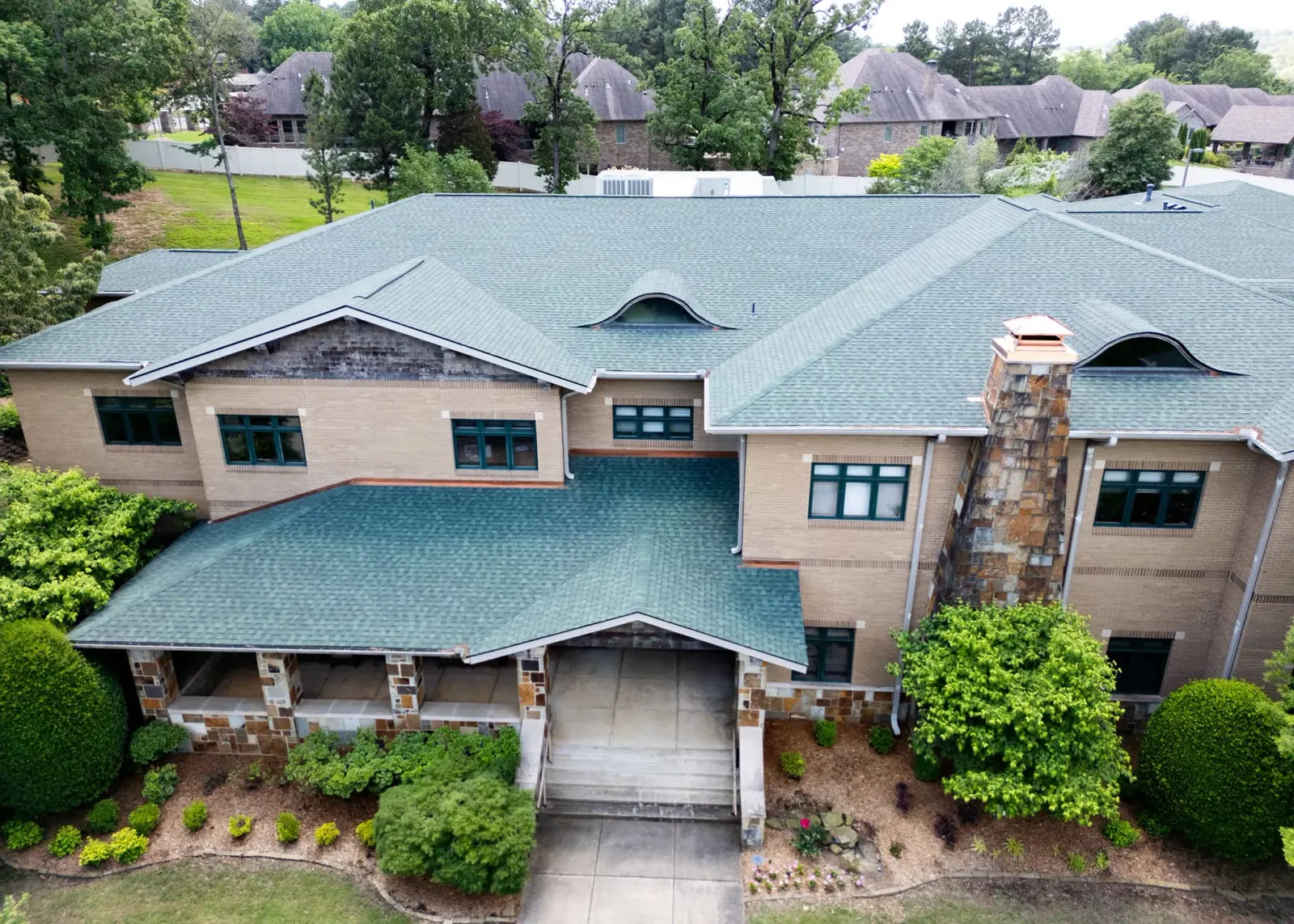
Step flashing integrates into shingle or tile courses where the roof meets a vertical wall. Each piece overlaps the one below, creating a stair-step water diversion system. When pieces separate, corrode, or lose their sealant, water enters the wall cavity. This is one of the most common roof leak sources in Fort Lauderdale homes with dormer walls or second-story additions.
Roof valleys concentrate water from two converging roof planes into a single channel. Valley flashing — whether open metal or woven into shingle courses — must handle high water volumes, especially during Fort Lauderdale's intense downpours. Corroded, punctured, or improperly lapped valley flashing allows water into the roof assembly at the point of highest runoff concentration.
Chimneys and skylights penetrate the roof plane on multiple sides, requiring base flashing, counter flashing, and sometimes cricket/saddle construction to divert water around the obstruction. These multi-sided intersections are complex and prone to failure at corners and joints — particularly when sealants dry out in Fort Lauderdale's UV-intense environment.
Drip edge flashing along eaves and rakes directs water away from fascia boards and into gutters. Missing, bent, or corroded drip edge allows water to wick behind the fascia, rotting the wood and potentially allowing water into the soffit and attic space. In coastal areas near Fort Lauderdale, salt-air corrosion accelerates drip edge deterioration on galvanized steel components.
One of the most common — and least effective — approaches to flashing-related leaks is applying caulk or sealant over the visible gap. While this may slow water entry temporarily, it does not address why the flashing failed in the first place. Surface caulking also traps moisture behind it, accelerating corrosion and substrate deterioration.
Our flashing repair approach focuses on the underlying failure mechanism. If flashing has separated because fasteners have loosened, we address the fastener issue. If sealant has degraded due to UV exposure, we remove the old sealant and properly re-seal the joint. If the flashing metal itself has corroded through — common near Fort Lauderdale's salt-air coastal zones — we replace the flashing section with appropriate material.
Flashing problems rarely exist in isolation. When evaluating flashing failures, we also check surrounding roofing components. Shingle condition near flashing transitions, tile alignment at valley and hip flashing, and membrane detailing at flat-roof penetrations are all part of a comprehensive flashing evaluation. For a complete view of our capabilities, visit our Fort Lauderdale roofing repair overview.
Flashing is sheet metal or similar material installed at transitions, penetrations, and intersections on a roof — anywhere water could enter between different planes or materials. It redirects water away from vulnerable joints and is one of the most critical waterproofing components in any roofing system.
It depends on the condition. Minor sealant failures can sometimes be corrected. However, if flashing has corroded, bent, separated from the substrate, or lost structural integrity, replacement is typically the more reliable approach.
Caulk addresses the visible gap but not the underlying cause of the failure. It also degrades quickly in South Florida's UV environment and can trap moisture behind it, accelerating corrosion. Proper repair addresses why the flashing failed — not just where water is currently visible.
Schedule a professional flashing inspection. We evaluate every transition, penetration, and edge detail on your roof.